
School Readiness Is About More Than ABCs
As school gets closer, you may start thinking about whether your child is ready.
Can they sit for an activity? Will they follow the teacher's instructions? Can they tell someone when they need help? How will they manage being around other children?
Knowing letters and numbers is only one part of being ready for school.
Children also need to manage routines, communicate, participate, move between activities and become more independent.
What Might You Notice?
You may notice that your child:
Finds it difficult to sit through an activity
Needs frequent reminders to stay with a task
Has trouble following classroom-style instructions
Finds changes between activities difficult
Struggles to participate in group activities
Finds it difficult to interact or play with other children
Needs significant help with dressing, eating or other everyday routines
Becomes overwhelmed by the structure or pace of a school environment
Every child will have a different starting point. School readiness is about identifying the skills your child needs to work on, rather than expecting them to tick every box before they begin.
Building Skills Before School Begins
At Mom's Belief, school readiness can involve several areas of development.
Depending on your child's needs, support may focus on communication, attention, social interaction, behaviour regulation, motor skills, learning and everyday independence.
Immersive Development Program
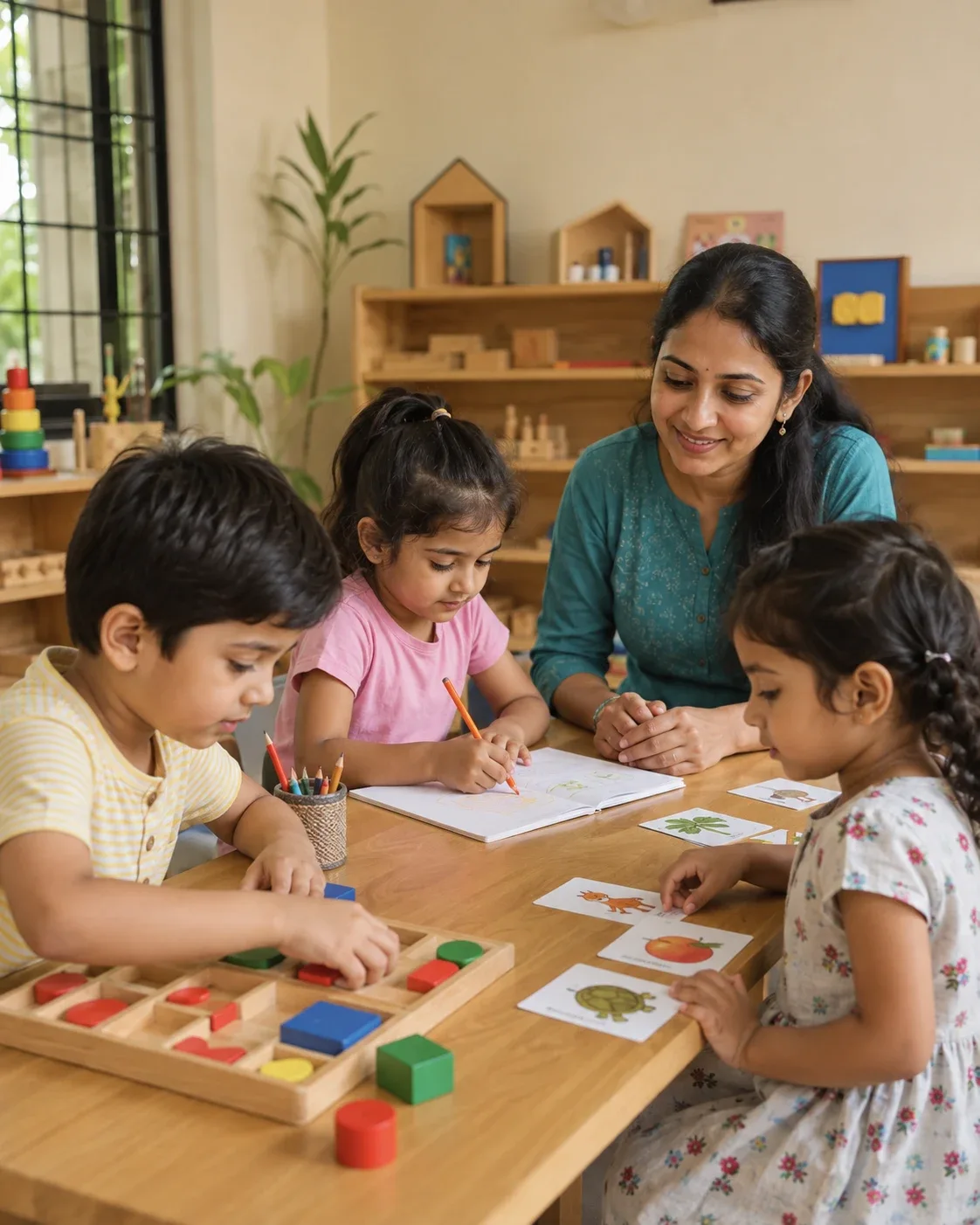
Our Immersive Development Program (IDP) provides a structured, semi-school environment where children can practise these skills as part of their day.
The programme is designed for children aged 2–8, including children with ASD, ADHD, Global Developmental Delay, Speech and Language Delay, Behavioural Difficulties or general school readiness concerns.
Through structured activities and routines, children get opportunities to practise:
Communicating with adults and peers
Following routines and instructions
Taking part in group activities
Managing transitions
Developing independence
Building classroom-ready skills
Parents Stay Part of the Journey
You know your child better than anyone.
That's why parent involvement remains important. Understanding what your child is working on allows you to support the same skills at home and gives you a clearer idea of how they are progressing.
Wondering If Your Child Is Ready?
You don't have to wait until the first day of school to find out where your child may need support.
Understanding their current skills can help you prepare them for what comes next — with realistic expectations and a plan that fits their needs.