
Parent Concerns
Not Sure What You're Noticing in Your Child?
Your child may not be talking as much as other children their age. Getting them to follow instructions may feel like a struggle. Or perhaps they find schoolwork, playing with others or everyday routines harder than expected.
These things can leave you with a lot of questions. Is this their personality? Will they grow out of it? Should I be doing something?
At Mom's Belief, we start with what you've been noticing and help you understand what it could mean for your child.

Communication & Learning
When Communication or Learning Feels Harder
You may find that your child is not communicating as you would expect, has difficulty understanding what is being said or finds some learning activities difficult.
Maybe they're using fewer words than you expected, having difficulty following directions, or finding early reading and writing tasks frustrating. These everyday observations can tell us so much about where your child might need a little extra support.

You may notice that your child:
- Uses fewer words than expected or finds it hard to express themselves
- Speech is unclear, or sentences are difficult to put together
- Finds it hard to understand or follow instructions
- Struggles with reading, writing or early learning activities
- Doesn't seem quite ready for school routines or classroom activities
Every child is different, and there could be different reasons behind these signs. A simple developmental assessment can help you know how your child is developing now and with support if needed, and what their strengths are.
Attention & Behaviour
When Focus, Behaviour or Social Interaction Becomes a Concern
Children have big feelings and difficult days. That's a normal part of growing. But if you're regularly finding it hard to understand your child's behaviour or see that it is getting in the way of everyday activities, it may be worth looking a little deeper.

You may notice that your child:
- Find it hard to sit through an activity or see it through to the end
- Struggles to wait, take turns or stop themselves from acting on an impulse
- Has frequent tantrums, meltdowns or aggressive outbursts
- Become very upset when plans or routines change
- Find playing with other children or making friends difficult
Behaviour is often a way for children to communicate that something is difficult for them. Looking at communication, emotional regulation, sensory needs and other aspects of development can help identify appropriate next steps.
Everyday Skills
When Everyday Activities Feel More Challenging
Development also shows up in the everyday things children do — moving, playing, eating, dressing and becoming more independent.
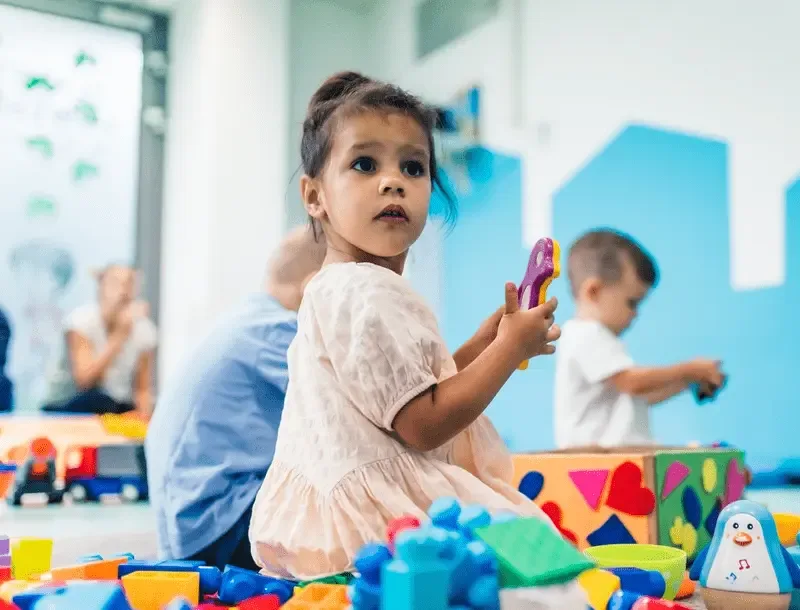
You may notice:
- Covers their ears, avoids certain textures or strongly reacts to particular surroundings
- Is constantly looking for movement or struggles to settle
- Finds pencils, buttons, drawing or handwriting difficult
- Seems less steady or coordinated during play and physical activities
- Needs help with eating, using the toilet, getting dressed, or other daily routines
These concerns can involve different areas of development. Understanding how your child responds to their environment and approaches everyday activities can help determine what kind of support may be useful.
Take the Next Step
Not Sure Which Concern Fits?
You don't need to know what's wrong before you ask. If something about your child's development, behaviour, communication or everyday skills has been concerning you, our team can help you understand what to consider next.
A developmental assessment can provide a structured understanding of your child's current strengths and areas of need, helping you move from concern to a clearer plan.
Continue Exploring
From Concern to the Right Support
Once you understand what your child may need, the next step is knowing how to support them.