
When Waiting and Self-Control Feel Difficult
“Wait” sounds like a simple instruction. For some children, it really isn't.
You might see your child interrupt before someone has finished speaking, grab a toy from another child or rush to the front of the queue. They may know they are supposed to wait, but still find it very hard to stop themselves in the moment.
The same thing can happen when you ask them to stop an activity they are enjoying. What starts as a simple request can quickly turn into an argument, tears or a strong reaction.
It can be easy to see this as bad behaviour. Sometimes, though, the bigger issue is that the child is still learning how to pause, wait and manage an immediate urge.
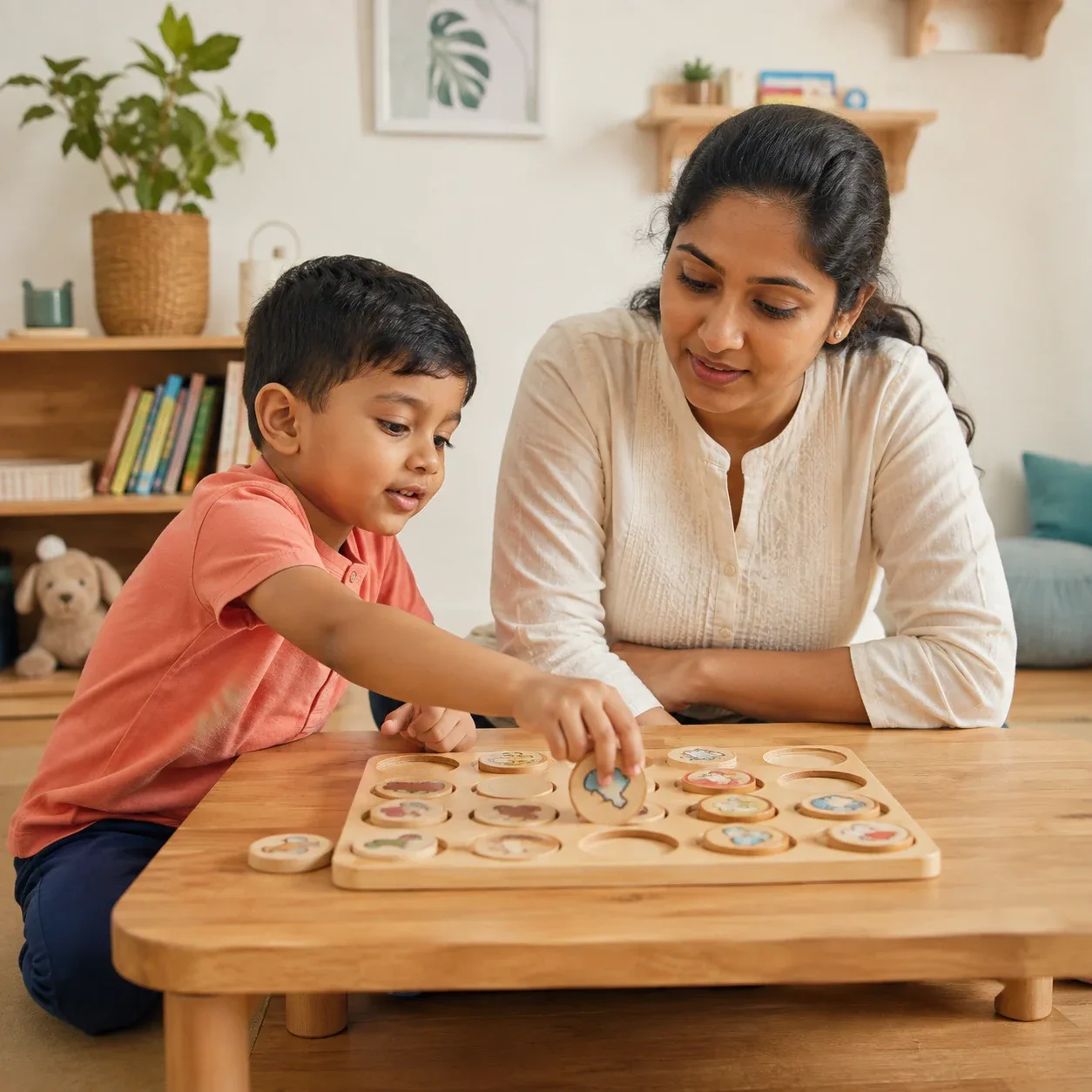
What Parents May Notice
This might look like:
Talking over people or interrupting often
Reaching for things before asking
Struggling to wait for a turn during games or activities
Acting first and thinking about the consequences later
Becoming angry or upset when told to wait
Finding it hard to stop once they have become very excited or frustrated
These situations don't always happen in the same way. A child who manages well at home, for example, may find waiting much harder at school or around other children.
What Can Help
It helps to keep expectations simple. If your child needs to wait, tell them what they are waiting for rather than simply saying “wait.”
Give them something to do while they wait when you can. At home, you can also use everyday moments waiting for food, taking turns in a game or waiting for a favourite activity as little opportunities to practise.
And when they do manage to stop themselves or wait, point it out. A quick “You waited for your turn” can mean more than another reminder about what they did wrong.
How We Can Help
We look at what is happening around these behaviours, not just the behaviour itself. When does your child find waiting hardest? What happens when they are asked to stop? Are there particular situations that tend to trigger a strong reaction?
Understanding this helps us decide what kind of support would be useful.
With the right support and practice, children can gradually become better at pausing, waiting and managing those “I want it now” moments.