




Common parenting doubts parents quietly carry
Parenting doubts are far more common than most people realise. They don’t usually appear in conversations or social settings. Instead, they surface during quiet moments, late at night, or while watching a child play and wondering if everything is truly okay.
Many parents carry these doubts silently.
“Am I worrying too much?”
“Should I be doing more?”
“Is this just how my child is, or should I be paying closer attention?”
These questions are rarely spoken aloud. Not because parents don’t care, but because they worry about being judged, misunderstood, or dismissed.
Why parenting doubts often stay unspoken
Parenting comes with an unspoken expectation to appear confident. To seem calm. To give the impression that everything is under control. Admitting uncertainty can feel uncomfortable, especially when everyone else appears so sure.
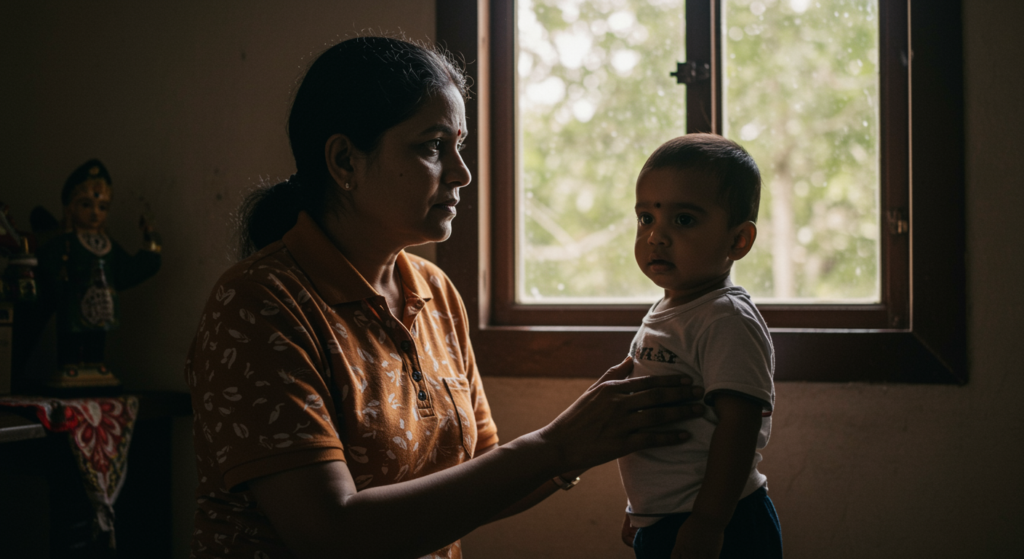
There is also fear around the answers.
Some parents worry that voicing parenting doubts will make them real. Others fear being told they are overthinking, or worse, that they should have acted sooner. So they keep these thoughts private, hoping clarity will come on its own.
This silence is not weakness. It is self-protection.
The most common parenting doubts parents carry
Across families and situations, many parenting doubts sound surprisingly similar.
Parents often find themselves wondering:
- “Is my child developing at their own pace?”
- “Am I missing something important?”
- “Why does this feel harder than I expected?”
- “What if I make the wrong decision for my child?”
These doubts do not mean a parent lacks confidence. They reflect responsibility. Parents question themselves because they want to do right by their child.
How parenting doubts affect parents over time
When these doubts remain unaddressed, they often grow heavier. Parents may begin second-guessing everyday decisions or feeling unsure even during positive moments.
Some become overly alert, watching for every sign. Others pull back, trying not to think about it at all. Neither approach feels fully comfortable.
What weighs most is not the doubt itself, but the isolation that comes with carrying it alone.
Why acknowledging parenting doubts can help
Acknowledging a doubt does not mean acting immediately. It does not force a conclusion or a label.
For many parents, simply recognising that their parenting doubts are valid can feel grounding. It allows them to move from looping worry to clearer thinking and informed choices.
According to the Centres for Disease Control and Prevention, observing and discussing concerns is an important part of understanding child development at any stage.
https://www.cdc.gov/ncbddd/childdevelopment/index.html
From quiet doubt to shared understanding
When parents allow themselves to acknowledge their doubts, something shifts. Doubt becomes curiosity. Fear becomes a search for understanding.
Parenting doubts don’t disappear overnight. But they become easier to manage when they are acknowledged instead of ignored.
Seeking guidance does not mean something is wrong. It means a parent is choosing clarity over uncertainty.
You’re Not Late. It’s Okay to Notice Now
Parenting doubts often shift as children grow and everyday expectations change. What feels manageable at one stage may raise new questions at another. Paying attention to parenting doubts over time allows parents to respond thoughtfully rather than react emotionally, helping them make informed decisions that support their child’s development.
A reminder for parents reading this
If you have questions you’ve never said out loud, you are not alone. Many parents carry the same parenting doubts quietly.
These doubts are not a sign of failure.
They are a sign that you care deeply about your child.
And care is where understanding begins.