



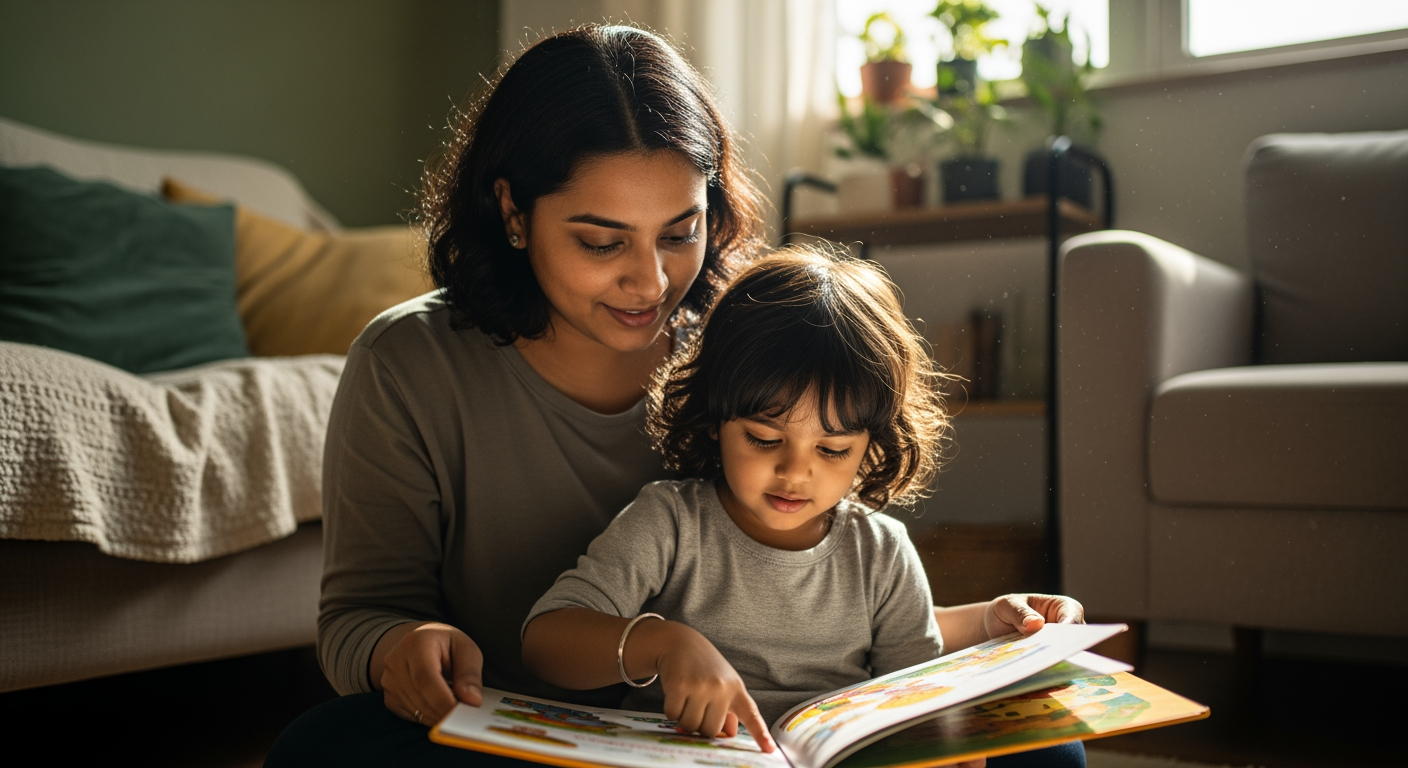
Moving beyond milestones to notice real, everyday progress
When parents hear the term child development, they often think of milestones.
First words.
Clear sentences.
Independent play.
Social confidence.
These markers are familiar because they are visible and easy to measure. But everyday child development rarely unfolds in dramatic or clearly defined moments. More often, it happens quietly, woven into ordinary routines that are easy to overlook.
Why milestones don’t tell the full story
Milestones can be useful reference points, but they are not the complete picture.
They focus on outcomes, not the process that leads there. In real life, development happens gradually. It moves forward, pauses, circles back, and progresses again.
A child may not be speaking clearly yet, but they might:
- Try new sounds more often
- Respond more consistently to familiar voices
- Use gestures to communicate needs
These shifts matter, even if they don’t fit neatly into a checklist.
Milestones can feel reassuring, but many parents first notice progress in quieter ways, often described in Progress Isn’t Always Big Milestones. Sometimes It’s Small Wins, which explores why subtle changes matter deeply in child development.
Read More @ Progress Isn’t Always Big Milestones. Sometimes It’s Small Wins
Everyday child development shows up in small moments
Much of everyday child development becomes visible only when parents observe patterns over time.
It might look like:
- A child tolerating a routine that once felt overwhelming
- Staying engaged in an activity for a little longer
- Recovering from frustration more quickly than before
- Making brief eye contact where there was none earlier
These moments don’t announce themselves. They accumulate quietly.
Progress often appears as less resistance, more curiosity, or greater comfort long before it looks like a new skill.
Why everyday progress is easy to miss
Parents are often focused on what their child has not achieved yet, especially when external expectations or comparisons are present.
In busy households, small improvements can disappear into daily demands. When parents are tired or unsure, progress that does not look dramatic may feel insignificant.
But development is not always about visible change. Sometimes it is about a child feeling safer, calmer, or more regulated. Those internal shifts create the foundation for future growth.
Understanding development through daily routines
Everyday child development is most visible during regular activities, not special ones.
Mealtimes.
Bath time.
Playtime.
Transitions between activities.
A child who once resisted transitions may begin to move with less distress. A child who avoided interaction may start observing others more closely. These changes signal growing adaptability, even if they do not yet translate into obvious skills.
Watching development through daily routines often gives parents a more realistic and grounded understanding of progress.
Why development doesn’t move in straight lines
Development is rarely linear.
Children may show progress in one area while another feels stalled. Periods of change, illness, or emotional stress can temporarily affect behaviour or skills.
This does not mean progress has been lost.
Everyday child development responds to context. Emotional safety, consistency, and support all influence how skills emerge. When circumstances shift, development may look different for a while.
Noticing progress without adding pressure
When parents begin noticing everyday progress, their perspective often softens.
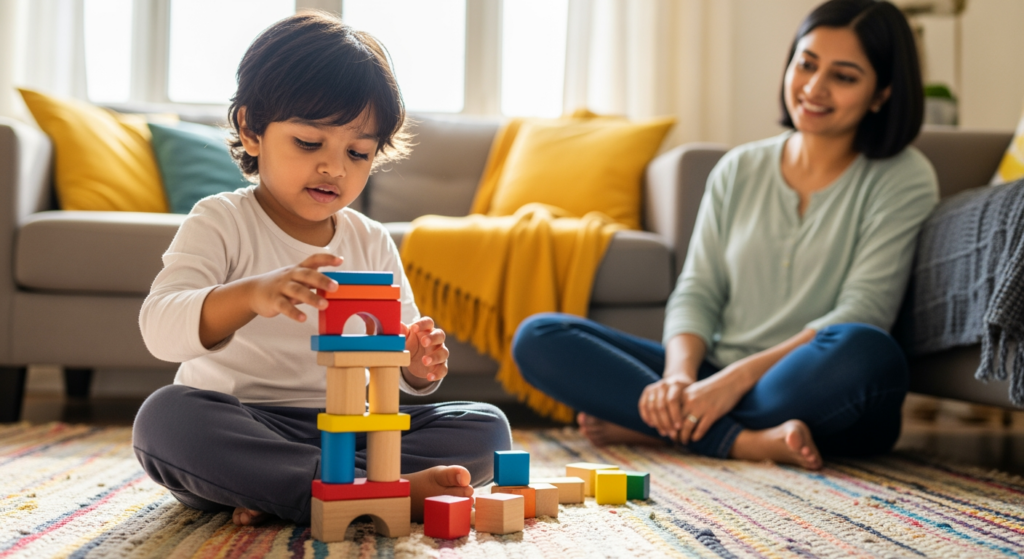
Instead of asking,
“Why hasn’t this happened yet?”
They may start asking,
“What has changed since last month?”
This shift reduces pressure on both the child and the parent. It allows development to be seen as a process rather than a race.
According to the Centres for Disease Control and Prevention, observing development over time helps families understand growth patterns and respond thoughtfully to their child’s needs.
https://www.cdc.gov/ncbddd/childdevelopment/index.html
A more realistic way to look at child development
Everyday child development is not always obvious, but it is always present.
It lives in repeated attempts, growing tolerance, and small adjustments that slowly build confidence. When parents learn to recognise these moments, they often feel less anxious and more connected to their child’s experience.
Development is not only about where a child is going.
It is also about how they are getting there.
A reminder for parents
If progress feels slow or unclear, it does not mean nothing is happening.
Growth often unfolds quietly, long before it becomes visible to others.
Everyday child development deserves attention, even when it does not look impressive or complete. Because those small moments are often where meaningful change begins.