



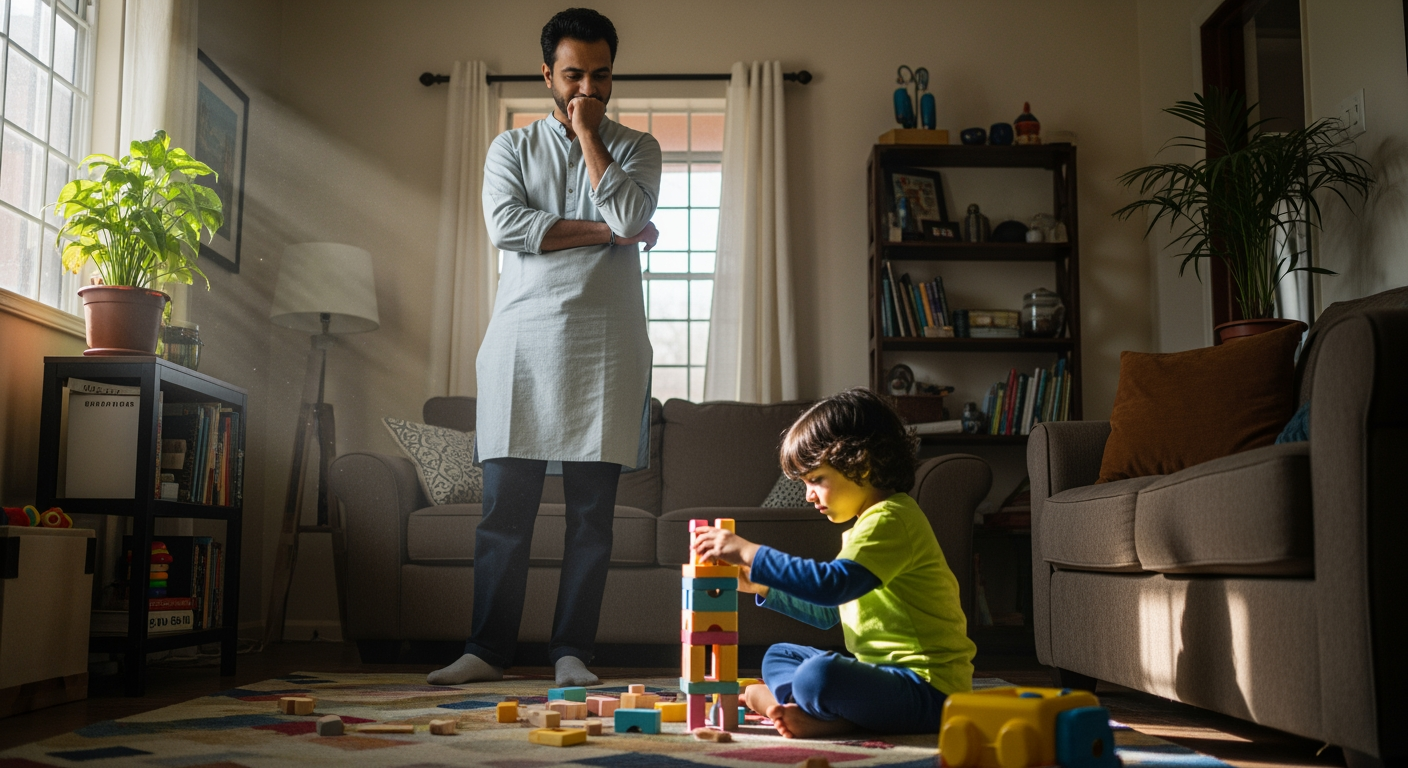
Is This Just a Phase or Something More: Understanding the Difference
When parents ask is this just a phase or something more, they are usually trying to understand whether a behaviour is temporary or part of a repeating pattern.
Is this just a phase or something more is a question many parents ask themselves quietly when a concern doesn’t fully settle.
Understanding is this just a phase or something more helps parents decide whether a behaviour needs time, support, or simply reassurance.
It usually appears after you’ve noticed something about your child that doesn’t feel alarming, but also doesn’t disappear with time.
Not alarming.
Not urgent.
Just… persistent.
And that uncertainty can feel heavier than certainty itself.
Why This Question Comes Up So Often for Parents
Childhood development is full of ups and downs. Children grow in bursts. Skills appear, disappear, and reappear. Emotional regulation fluctuates. Routines fall apart and rebuild themselves.
So when something feels off, parents naturally wonder:
- Is this just a phase or something more?
- Am I worrying too much?
- Should I wait, or should I look closer?
Reassurance often comes quickly from family and friends. And sometimes, reassurance is exactly what’s needed. But when reassurance stops feeling complete, parents start looking for clarity instead.
Phase vs Pattern: The Most Helpful Lens
Before jumping to conclusions, it helps to understand the difference between a phase and a pattern.
A phase usually:
- appears suddenly and fades gradually
- changes with routine, sleep, or environment
- does not consistently interfere with daily life
A pattern usually:
- persists across weeks or months
- shows up in multiple settings (home, school, social spaces)
- affects communication, behaviour, learning, or participation
Asking “is this just a phase or something more” is not about labelling.
It’s about noticing whether something is temporary or repeating.
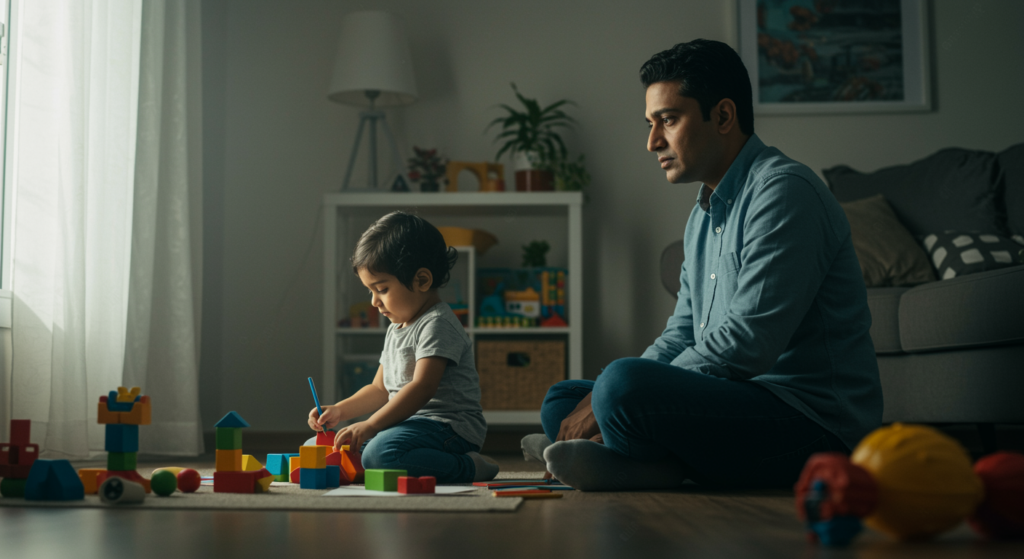
Is this just a phase or something more? Sometimes clarity begins with noticing.
For evidence-based developmental milestone guidance, parents may refer to the CDC’s developmental milestones: CLICK HERE
5 Signs It May Be More Than a Phase
Every child is different. One sign alone rarely means much. But when several of these appear together, parents often benefit from understanding what’s going on.
1. The concern keeps returning
You reassure yourself, but the same thought keeps coming back.
When time doesn’t ease the question, it’s often worth exploring it.
2. The behaviour appears in different settings
What you notice at home also shows up at school, playdates, or public places. Patterns across environments matter more than isolated moments.
3. Daily life feels harder than it should
Transitions, routines, communication, or social interactions consistently feel like uphill tasks, not occasional struggles.
You may find it helpful to read how predictability supports regulation here:
https://www.momsbelief.com/blogs/why-routines-are-a-childs-best-friend/
4. Your child seems more frustrated than before
Big emotions, withdrawal, or increased rigidity can sometimes reflect that a child is struggling to cope with expectations they can’t yet manage.
Understanding emotional and sensory regulation can help:
https://www.momsbelief.com/blogs/what-happens-when-a-child-is-stressed/
5. Waiting no longer feels reassuring
This is often the clearest sign.
Parents move from “Let’s wait and see” to “I need to understand this better.”
That shift is not fear.
It’s awareness.
Why Parents Hesitate to Pay Attention
Many parents delay action because they worry about:
- overreacting
- labelling their child too early
- creating pressure where none is needed
- hearing something they’re not ready to hear
These fears are valid. Parenting is emotional. But avoiding clarity doesn’t remove uncertainty. It usually stretches it out.
As clinicians often remind families:
Paying attention doesn’t create problems. It creates understanding.
What Paying Attention Actually Looks Like
Paying attention does not mean panic or urgency.
It looks like:
- observing patterns gently
- noticing impact on daily life
- asking questions instead of assuming answers
- seeking clarity, not confirmation
Sometimes, that clarity reassures parents that everything is on track. Sometimes, it highlights areas where support can make everyday life easier. Both outcomes are valuable.
You may also find this helpful if you’re unsure what to do next:
https://www.momsbelief.com/blogs/what-should-i-do-if-my-child-has-developmental-delays/
When parents pause to ask is this just a phase or something more, they are choosing clarity over confusion in their child’s development journey.
Takeaway
Asking is this just a phase or something more does not mean something is wrong.
It means you are paying attention.
Phases pass.
Patterns teach.
And understanding the difference helps parents move forward calmly, without pressure or panic.
If you’re feeling unsure whether something is temporary or worth exploring, a professional developmental assessment can help bring clarity. At Mom’s Belief, we support families with empathy, experience, and no rush toward labels.
Because clarity doesn’t take away hope.
It replaces uncertainty with confidence.