



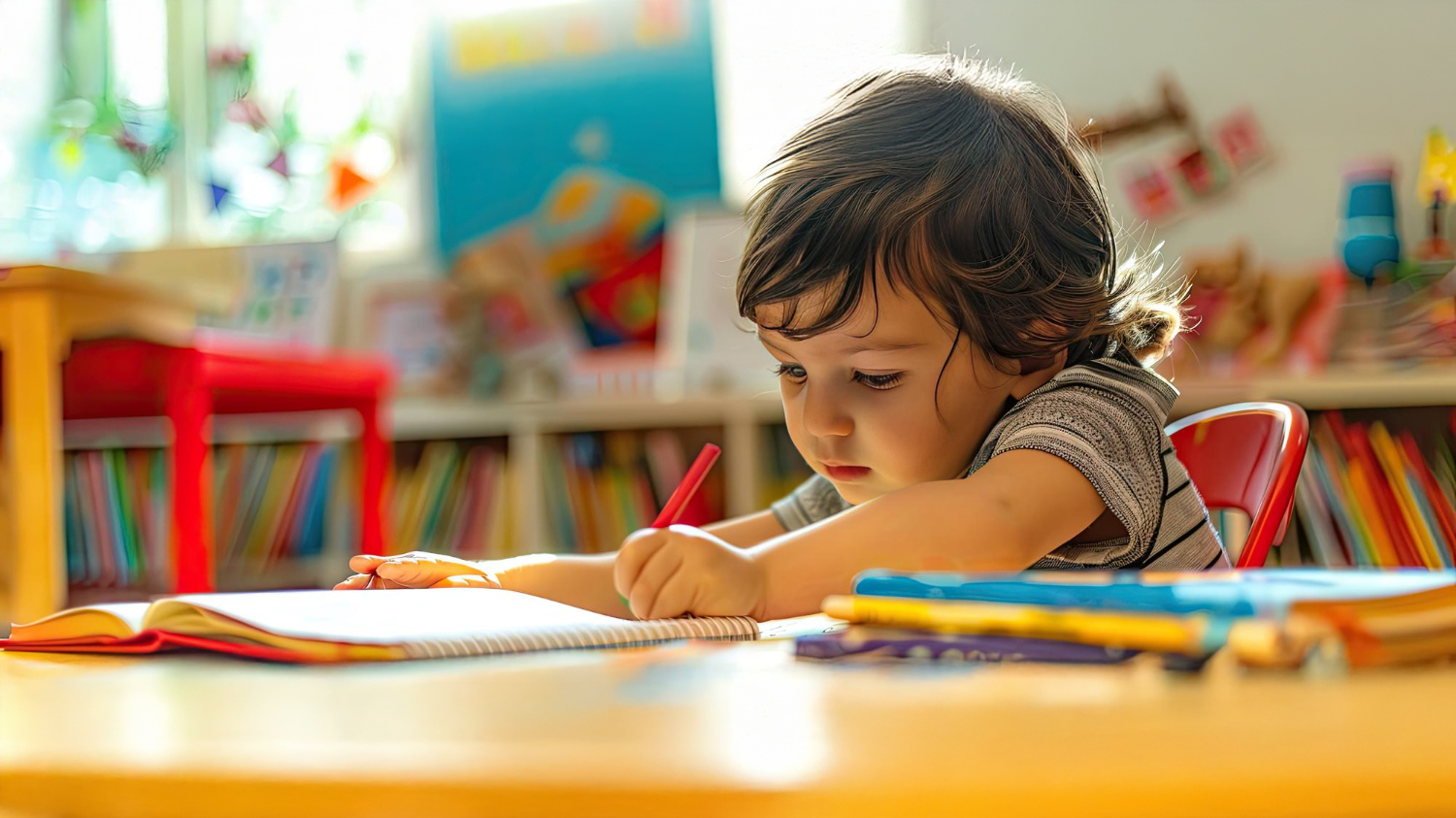
Most parents think school readiness is about letters and numbers. It isn’t, and once you see the full picture, the worry that comes with enrolment gets a lot smaller!
The word “ready” means different things to different parents
For some, it’s about being able to write the alphabet or count to ten. For others, it’s about managing without tears at drop-off. But true school readiness is much more than either. It’s a mix of emotional comfort, communication skills, independence, and curiosity – qualities that help a child adjust, learn, and enjoy school.
When parents understand what school readiness truly involves, they stop worrying about “getting ahead” and start focusing on “growing prepared.” And that makes all the difference.
1. School readiness isn’t academic, it’s developmental
The biggest misconception is that school readiness equals knowing the ABCs or 123s. But teachers and child development experts agree that early success in school depends more on how a child behaves, focuses, and relates to others than on what they can recite.
Here’s what real readiness looks like:
- Emotional readiness: Can your child manage small frustrations, wait their turn, and separate from you calmly?
- Social readiness: Can they play alongside or with peers, follow a group routine, and listen to an adult who isn’t a parent?
- Physical readiness: Can they sit at a table, hold a crayon, feed themselves, and use the toilet independently?
- Language readiness: Can they understand simple instructions and express their needs through words, gestures, or pictures?
- Cognitive readiness: Can they focus on a short activity, remember basic routines, and show curiosity?
These five areas form the foundation that allows children to absorb academic skills later on. Without them, even the brightest child can feel lost in the classroom.
2. Why these areas matter more than you think
Imagine a classroom where 15–20 children are all trying to do the same task. The teacher gives instructions, one child asks for help, another starts chatting, and a third gets distracted by a sound outside. The children who are emotionally and socially ready can stay calm and follow the flow, they don’t need constant adult reassurance.
Now think of a child who can write letters beautifully but can’t stay seated, can’t wait for a turn, or gets upset if another child touches their pencil. Learning stops not because of a lack of ability, but because of readiness gaps.
That’s why RISE by Mom’s Belief program begins by strengthening these soft but critical skills. Once a child feels safe, confident, and capable, academics follow naturally.
3. How to check readiness at home
You don’t need a professional test to start observing readiness. Try these simple checkpoints:
- Can your child follow a two-step instruction like “pick up your shoes and keep them near the door”?
- Do they enjoy short group activities, like listening to a story with others?
- Are they independent with small routines like eating or handwashing?
- Do they express needs clearly, even if it’s through simple words or gestures?
- Can they stay in one activity for 10–15 minutes with minimal help?
If you said “yes” to most, your child is well on the way. If not, don’t panic! Readiness can be built with structured play, predictable routines, and expert guidance.
4. The RISE approach: Building readiness, not rushing it
At Mom’s Belief, RISE takes a balanced, child-centred approach. The program works through small-group learning led by educators, occupational and speech therapists, and child psychologists all under one roof.
Each child’s plan targets the five readiness domains. A weekly routine might include:
- Circle time for social listening
- Sensory play for regulation and focus
- Fine motor activities for pencil grip and coordination
- Language games for communication
- Independent tasks for confidence
Parents receive progress updates and simple home strategies to continue practice beyond the classroom. The goal is not to push but to prepare to help each child step into school feeling confident, curious, and capable.
5. When to seek extra support
Some children need a bit more time or guidance and that’s completely fine. A readiness assessment with professionals can identify which areas to strengthen and how. Sometimes, small changes like introducing visual schedules, sensory breaks, or language routines can create remarkable progress.
Takeaway
School readiness isn’t about early academics. It’s about emotional security, curiosity, and independence. The quiet skills that build strong learners and happy school days. If you’d like to understand where your child stands or need a structured plan to prepare for school, reach out to our specialists at Mom’s Belief. Together, we’ll make sure your child’s first step into school is a confident one.